
Wisconsin should not penalize residents who are trying to get back on their feet
By Lou Kowieski
Jun 25, 2026
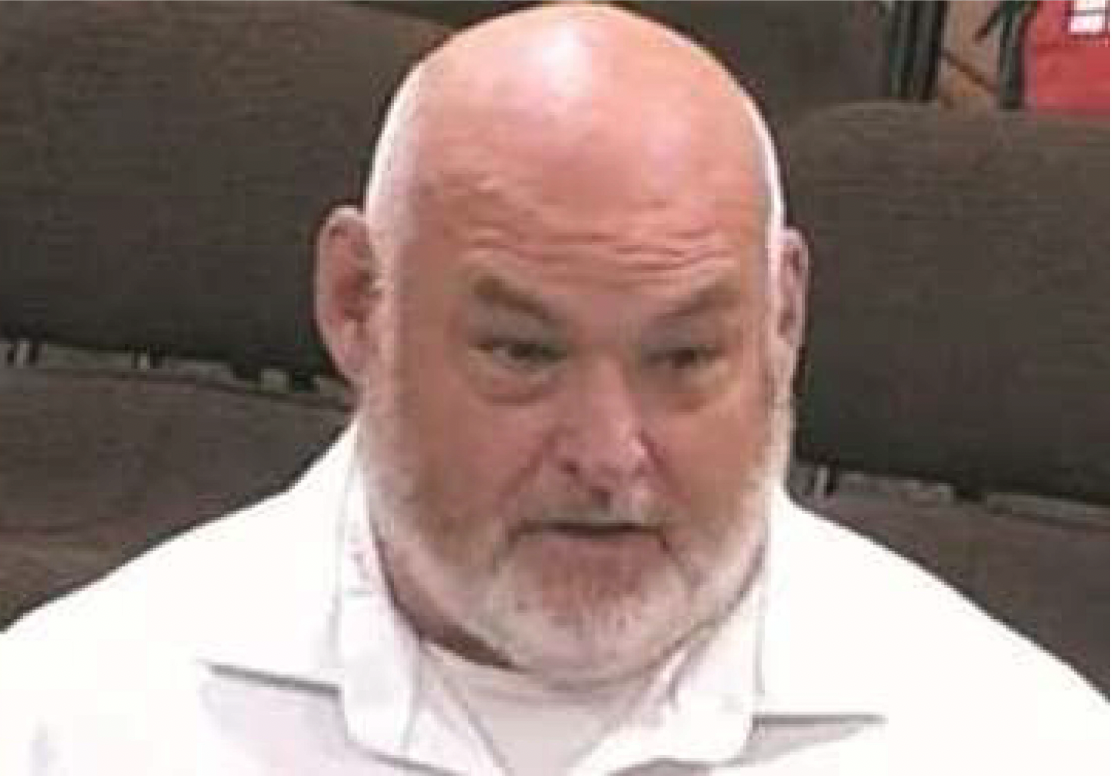
Kowieski
When someone decides to tackle their debt head-on instead of walking away from it, that deserves to be encouraged, not made harder by their own state government.
I’ve spent years working in nonprofit service and local government in Oconomowoc. In that time, I’ve seen firsthand what financial hardship does to individuals and families, especially when rising costs make it harder to keep up with everyday expenses. I’ve also seen what it looks like when someone makes the conscious decision to confront their debt responsibly. The least Wisconsin can do is make sure the tools to do that are readily available.
Instead, we’re doing the opposite. Burdensome rules enacted by the state’s Department of Financial Institutions are keeping debt relief providers out of Wisconsin. These companies work directly with creditors to negotiate down what a borrower owes, and they only charge fees when they produce results. No debt relief for the consumer, no payment to the provider. It is one of the most straightforward and accountable paths available for someone who wants to resolve their debt without resorting to bankruptcy. And Wisconsin has quietly made it unavailable at a time when families are falling further behind.
In the past year, the average Wisconsinite’s credit card balance increased more than 10% to $6,703. What makes this especially difficult to defend is that the federal government already regulates this industry. There are established consumer protections at the national level governing exactly how debt relief companies must operate — disclosure requirements, fee restrictions, and clear rules about what providers can and cannot do.
The experience of other states offers a useful reality check. New York and California have long permitted access to debt relief services. So have Texas and Florida. These four states represent just about every point on the political spectrum, and they have all arrived at the same conclusion: Consumers are better served by having this option available to them, not by having it taken away.
When you strip away legitimate options from people who are serious about resolving their debts, the debt does not disappear. Those families still have to go somewhere. Most end up choosing between bankruptcy — a process that carries lasting consequences for credit and financial stability — or cycling back into high-interest borrowing that makes the original problem worse.
Traditional credit counseling may help some consumers adjust interest rates or payment timelines, but generally cannot reduce the principal amount owed. Debt relief can. That distinction matters for families who are already stretched thin and need a path that addresses the actual balance, not just the schedule for paying it.
The people who walk into a debt relief conversation are not looking for a bailout. They are looking for a structured, realistic path forward that gives them the chance to start rebuilding. They are doing the responsible thing. Our state’s regulatory posture right now treats that effort as if it requires more barriers, not fewer.
It’s time for the Legislature to step in, modernize these rules, and make sure Wisconsin is a state that works for families who are working to get back on their feet.
The people who walk into a debt relief conversation are not looking for a bailout. They are looking for a structured, realistic path forward that gives them the chance to start rebuilding.
Lou Kowieski serves as Second District alderman on the Oconomowoc Common Council and on the board of several local nonprofits.
This article was originally published in gmtoday